Wedding flowers and floral design
 Save
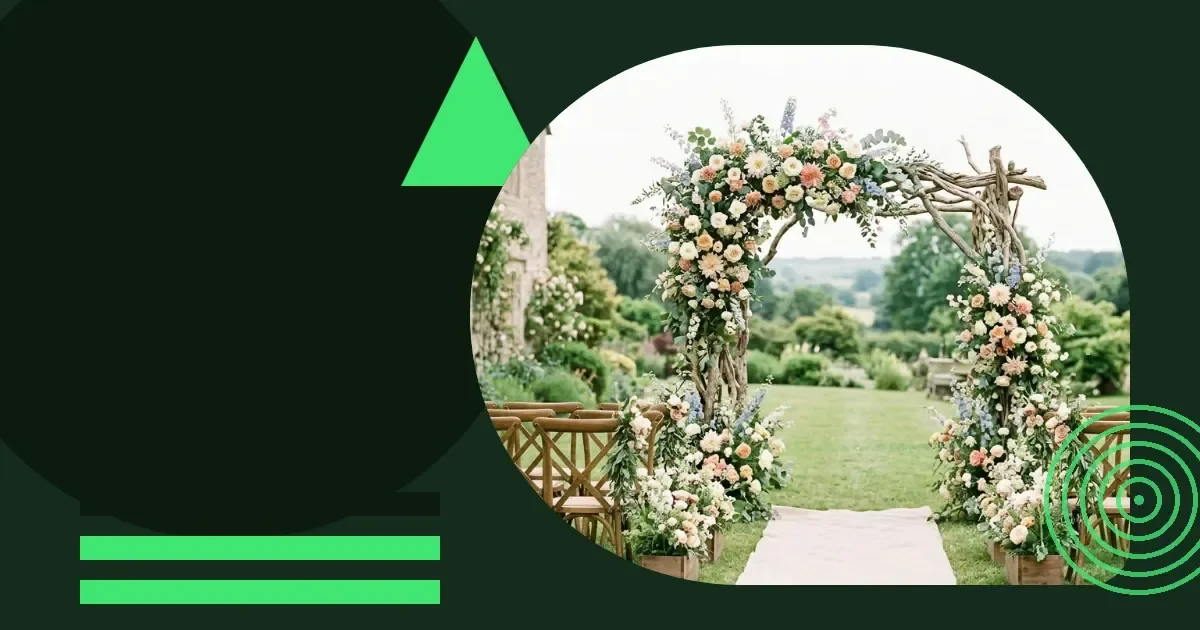
Flowers set the tone for a wedding, anchoring the visual story from the ceremony through to the final dance. Harvest Moon Floral Art walks you through the decisions that matter—from choosing blooms that reflect the season to briefing a florist so nothing is left to chance.
Common mistakes and how to sidestep them
Booking too late is the single biggest misstep. Popular florists fill their calendars six to twelve months ahead for peak wedding months, and leaving it until spring for a summer wedding shrinks your options dramatically. Reach out early, even if your plans are still forming.
Another trap is forgetting the lifespan of cut flowers. Peonies wilt in heat, and hydrangeas drink water faster than most stems. A beautiful variety that can't survive your venue's conditions will look tired by the speeches. Ask what thrives in your setting rather than forcing a Pinterest board into reality.
Many couples also underestimate how much a bouquet weighs after an hour of holding it. Oversized designs look striking in photos but tire arms quickly. A florist worth their salt will balance drama with comfort.
Where to go next
Start by visiting florists whose work you've admired at other weddings or through portfolios. Take note of their style—some lean towards wild, organic arrangements, others towards structured, classic designs—and choose one whose aesthetic aligns with yours before discussing specifics.
Collect inspiration images, but use them as a starting point rather than a strict template. A skilled florist will translate the mood you're after into something that works with your budget, your venue and the season. Trust their knowledge of which substitutions hold the same feel when your first choice isn't available.
Book a tasting session if the florist offers one, where you can see and touch sample stems. Texture and scent matter as much as colour, and both are impossible to judge from a screen.
The basics of wedding floristry
Wedding flowers break into several jobs: the bride's bouquet, buttonholes and corsages for the wedding party, ceremony arrangements that frame the vows, and reception centrepieces that anchor each table. Each has a different structural demand. Bouquets need to be light and easy to hold; ceremony pieces must be visible from a distance; centrepieces have to allow conversation across the table without blocking sightlines.
Seasonality governs both cost and availability. Spring brings tulips, ranunculus and cherry blossom at their peak. Summer offers roses, delphiniums and sweet peas in abundance. Autumn shifts to dahlias, chrysanthemums and foliage in burnt tones. Winter relies on amaryllis, hellebores and evergreens, often supplemented with hothouse blooms.
Ordering out of season pushes prices up and often means importing, which affects both freshness and environmental footprint. A florist who knows the market will suggest alternatives that deliver the same palette without the premium.
Bouquet styles and what they say
A posy is compact and round, easy to carry and traditionally formal. A cascade drapes downwards, lending height and drama but requiring a steady hand. A hand-tied bouquet looks natural and loose, as though gathered from a garden, and suits relaxed or outdoor ceremonies. Composite bouquets—where petals are wired together to form a single oversized bloom—make a striking statement but are fragile and labour-intensive.
Practical steps for planning your flowers
- Set your budget early and be transparent about it. A good florist will work within your figure rather than pushing you beyond it.
- Book your florist as soon as your venue and date are confirmed, particularly for weddings between May and September.
- Share images of your venue, your dress and any fixed colour schemes. Floristry is as much about context as it is about the stems themselves.
- Ask what happens if a particular flower isn't available on the day. A florist should have a substitution plan that maintains the overall look.
- Confirm delivery and setup times in writing, especially if your ceremony and reception are in different locations.
- Decide who keeps what afterwards—bouquets, centrepieces and larger installations can often be taken home or donated to hospitals and care homes.
Choices and options that shape the day
Colour is the most visible decision, but it's not the only one. Scent can enhance the atmosphere or become overwhelming in a small, warm room. Roses, freesias and stocks carry strong fragrance; tulips and orchids have little to none. If anyone in the wedding party has allergies, lilies and heavily scented blooms may need to be ruled out.
Foliage plays a supporting role that's easy to overlook. Eucalyptus, ivy and ferns add texture and volume without competing for attention. They also tend to be hardier than flowers, making them a practical base for arrangements that need to last all day.
Dried and preserved flowers have grown in popularity for couples who want keepsakes or who prefer a less traditional aesthetic. They won't wilt, but they lack the vibrancy and scent of fresh stems. Some florists combine both—fresh focal blooms with dried fillers—to balance longevity and impact.
Venue considerations
Indoor venues with low light suit pale and warm tones, which show up better than deep purples or reds. Outdoor settings can handle bolder palettes, but arrangements need to be secured against wind. A marquee offers flexibility but may require additional lighting to make colours pop after dusk.
Table shapes dictate centrepiece form. Long banquet tables call for low, linear arrangements or a series of smaller clusters. Round tables work with either compact centrepieces or tall statement pieces that lift the eye without crowding the surface.
#Wedding flowers #Floral designer #Florist
Frequently asked questions
What size should a bridal bouquet be?
A comfortable bouquet measures around twenty to thirty centimetres across and weighs no more than you'd happily carry for an hour. Larger designs look impressive but tire your arm quickly, particularly during long photo sessions.
How far in advance should I book a wedding florist?
Six to twelve months ahead for peak wedding season, earlier if your date falls on a popular weekend. Florists take a limited number of weddings per day, and the best ones fill their calendars fast.
Can I use flowers that aren't in season for my wedding?
Yes, but expect to pay more for imported stems, and freshness may be compromised. A skilled florist will suggest seasonal alternatives that deliver the same colour and mood without the premium or the risk.
What happens to the flowers after the wedding?
You can take arrangements home, give them to guests, or donate them to local hospitals and care homes. Many florists will coordinate collection if you arrange it in advance.
How do I choose between fresh and dried wedding flowers?
Fresh flowers offer colour, scent and a traditional look but last only a day or two. Dried blooms are long-lasting keepsakes with a softer, more muted palette. Some couples blend both for the best of each.
Do wedding flowers need to match the bridesmaid dresses exactly?
Not exactly. Floristry works better when colours complement rather than duplicate fabric tones. A florist will choose shades that sit alongside your palette without clashing or looking forced.
What should I ask a florist at the first meeting?
Ask to see recent wedding work, confirm their availability for your date, discuss your budget openly, and find out what happens if a chosen flower isn't available. A good florist will also ask about your venue, your dress and any practical constraints.