Storing Cut Flowers Overnight: Four Steps to Wake Up to Fresh Blooms
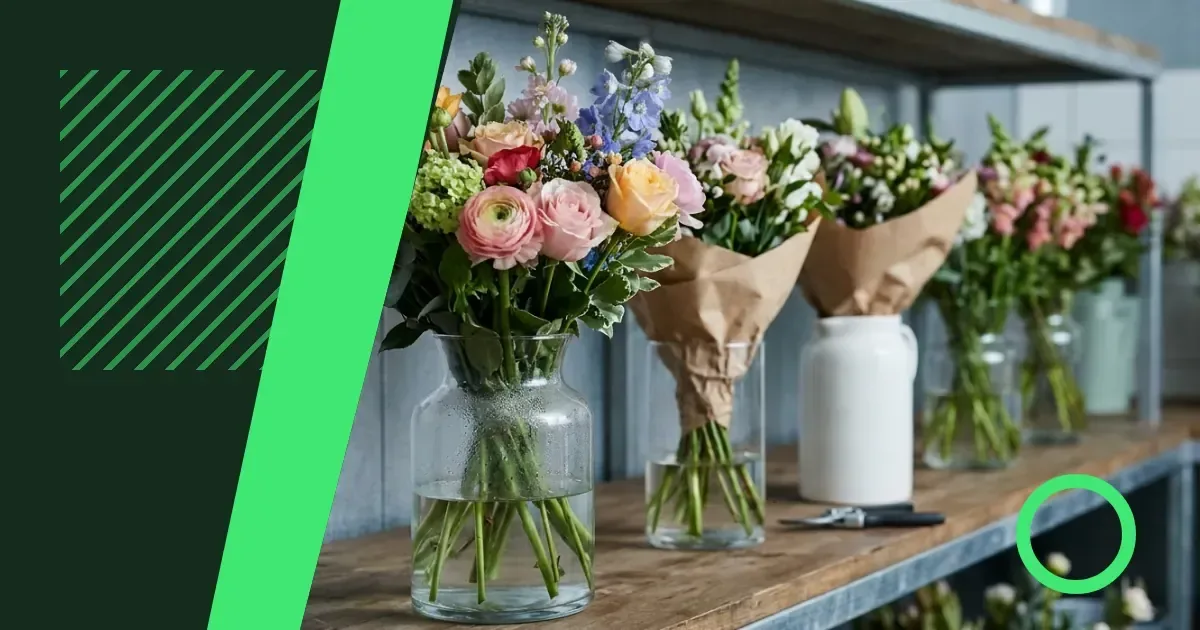 Save
Storing cut flowers overnight means giving them a cool, dark spot, clean water at the right depth, and stems that have been freshly cut and stripped of anything dragging on their energy. Skip any one of those and you'll open the box tomorrow to petals that have already given up. Harvest Moon Floral Art walks through what actually keeps stems alive between the moment you buy or cut them and the moment they go into a design.
Why flowers struggle through the night
Once a stem is cut, it stops drawing water and nutrients from a root system and starts running on what it can pull through the cut end alone. Turgor pressure is the word for the internal water pressure that keeps petals and leaves standing upright rather than collapsing; lose it, and a bloom goes soft and droopy even before the colour fades.
Warmth speeds everything up: respiration, water loss through the petals, and the growth of bacteria in the vase water. A flower left in a warm room overnight is working much harder to stay alive than one left somewhere cool, which is the whole reason temperature sits at the top of every storage decision you make.
Choosing the right temperature for overnight storage
A spot between roughly fridge-cool and cellar-cool suits most cut flowers for an overnight hold, somewhere well below normal room temperature but short of a freezer's chill. A dedicated flower fridge gives the most even result, but a cool utility room, porch or garage works for a single night if it stays consistently cold.
- Keep flowers away from direct heat sources: radiators, tumble dryers, sunny windowsills.
- Avoid a kitchen fridge shared with fruit, which releases ethylene gas and ages petals faster.
- Check the room doesn't swing warm overnight if a heating timer is set to come on early.
Tulips and other flowers that keep growing after cutting respond well to cold storage because the chill slows that stretching. Anyone sorting out why roses droop in a vase will recognise the same principle: heat and stale water are doing most of the damage, not time alone.
Getting the water and the cut right
Before anything goes into storage, trim each stem at an angle with clean, sharp blades, ideally bypass secateurs rather than a blunt kitchen scissor that crushes the stem's water channels. Strip any foliage that would sit below the waterline, since submerged leaves rot and feed bacteria that shorten vase life.
Water depth matters more than most people expect. Deep, cool water supports heavy-headed flowers and thirsty stems overnight, while shallow water suits softer or hollow stems that can collapse under their own weight if asked to hold up in a deep bucket. The step-by-step groundwork behind this sits in a piece on conditioning flowers before arranging, which is worth reading alongside this one if you're prepping stock the night before a job.
Flowers that prefer cooler, deeper water
- Roses and other woody-stemmed flowers
- Peonies before they've opened
- Branches and foliage with thick stems
Flowers that prefer shallower water
- Hollow-stemmed flowers such as amaryllis
- Soft spring bulbs
- Anything already showing a bent neck, where the stem has folded just below the bloom
Wrapping and supporting stems for the night
A loose paper wrap around the heads, not a tight plastic sleeve, keeps blooms upright and stops them knocking against the bucket or each other. Plastic traps moisture against the petals and encourages the grey mould that shows up as spotting the next morning.
Group flowers loosely by type rather than cramming a full mixed bouquet into one bucket. Crowding bruises petals and blocks air movement, which matters more overnight than during a few hours on a worktop.
Handling flowers that will travel the next morning
If flowers need to leave early for a wedding, an event or a delivery round, do the final trim and conditioning the night before, then store them standing upright rather than laid flat. A flat flower bends toward the light it can still sense, and that curve is hard to correct once it has set.
- Trim each stem at an angle and remove any foliage that would sit underwater.
- Stand stems in clean, cool water at the depth suited to that flower.
- Wrap heads loosely in paper, not plastic.
- Move the bucket to the coolest, darkest spot available.
- Re-trim stems in the morning before arranging or boxing them for transport.
Anyone building a regular supply chain around this routine, rather than a one-off event, will find the planning overlaps with a piece on building a seasonal flower subscription, where overnight holding becomes a nightly habit rather than an occasional task.
Spotting flowers that won't recover
A flower that's wilted from heat or thirst usually responds to a fresh cut and a long, cool drink. A flower that's wilted from cold damage, bruising or old age in the water typically won't bounce back no matter how it's treated overnight. The piece on reviving flowers that arrive wilted sets out which signs point to which outcome.
Overnight storage buys a flower time; it can't undo damage that happened before the bucket.
Storage methods compared
| Method | Best suited to | Main risk if done wrong |
|---|---|---|
| Dedicated flower fridge | Large batches, wedding or event stock | Too cold a setting can damage tropical blooms |
| Cool room or garage | Overnight holds for a single order | Temperature swings if the space isn't insulated |
| Deep bucket, no fridge | Sturdy, woody-stemmed flowers | Room too warm, water left stale |
| Shallow water, room temperature | Soft or hollow-stemmed flowers | Stems left too long without a fresh trim |
Checking stems before they go into a design
Before arranging, give every stem a fresh cut and a quick look for softness, discolouration or a calyx (the small green cup beneath the petals) that's turned brown, which often signals a flower past its best. This final check matters whether you're building a hand-tied bouquet or a structured piece, and it's covered in more depth in the guide on making a hand-tied bouquet.
#Conditioning #Vase life #Wilting #Stem care
Download PDF: Overnight flower storage checklist PDF, 30 KB
Frequently asked questions
Can you store cut flowers overnight without a fridge?
Yes, a cool, dark room away from heat sources works for a single night. Consistency matters more than reaching fridge temperatures, so avoid a spot that warms up while you're asleep.
How do you keep flowers fresh overnight before an event?
Trim the stems, give them clean water at the right depth for the flower, wrap the heads loosely in paper and store them upright somewhere cool. Re-trim in the morning before arranging or transporting them.
What happens if flowers sit in warm water overnight?
Warm water speeds up bacterial growth and water loss through the petals, so stems lose their firmness faster. Flowers held this way often show drooping or discolouration by morning even if they looked fine the night before.