Budget Conversations with Florists: Three Clear Steps to Design You Can Afford
 Save
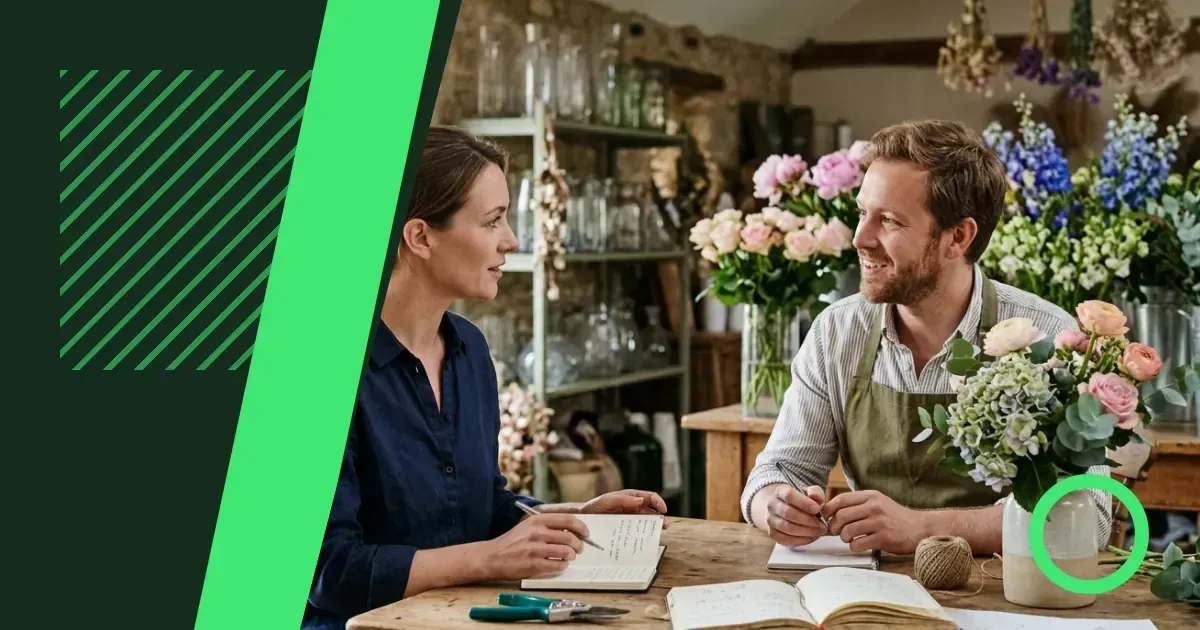
Name your budget in the first conversation. A florist cannot suggest suitable designs without knowing what you can spend, and delaying that number makes the rest of the meeting guesswork. The steps below show you how to share your range, explain what matters to you and ask the right questions so the florist builds something you can afford and still feel proud of. Harvest Moon Floral Art believes a clear budget conversation is the foundation of every successful floristry project.
Stating your range without awkwardness
Open with the total amount you can spend on flowers, not a vague sense of scale. A florist working to a clear figure can shape the design around it from the start rather than pricing something out of reach and walking it back. If your budget covers only part of the project—centrepieces but not bouquets, or fresh arrangements but not installation—say so.
Frame the number as a fact, not an apology. A smaller budget does not mean a lesser result; it means the florist selects different materials and adjusts the scale. Every experienced florist has designed within tight constraints and knows which choices stretch a budget furthest.
What affects the cost of floristry work
Three elements drive the price: the flowers themselves, the time required to condition and arrange them, and any structural support or containers the design needs. Flowers vary widely in cost depending on the season, where they are grown and how perishable they are. Seasonal and British-grown stems tend to cost less than imports flown in from warmer climates.
Labour increases with complexity. A loose, garden-style bouquet takes less time than a structured arrangement with wired stems and taped mechanics. If the florist must travel to set up installations or return to collect hired items, that time is part of the cost.
Containers, floral foam, chicken wire and pin frogs add to the total when the design requires them. A hand-tied bouquet wrapped in paper costs less than the same flowers arranged in a ceramic vase, because the vase and the mechanics inside it are materials you keep.
Asking where flexibility exists
Once you have stated your budget, ask the florist which aspects of the design can bend. Some clients care most about a particular flower or colour; others prioritise the overall scale or the number of arrangements. Naming your priority helps the florist decide where to spend and where to save.
Flexibility might mean choosing a different flower that gives the same feel, reducing the number of stems in each arrangement, or simplifying the structure. A florist familiar with British seasonal flowers can often suggest alternatives that match your vision at a lower cost.
Questions that clarify options
- Can this design work with fewer varieties of flower, or a simpler colour palette?
- Would seasonal foliage reduce the cost without changing the style?
- If I handle the vases or containers myself, does that lower the total?
- Is there a point in the year when these flowers cost less?
Understanding what a quote includes
A floristry quote should break down materials, labour and delivery or setup. If it does not, ask for that detail. Knowing where the money goes helps you see which parts of the project you might adjust if the total is too high.
Check whether the quote covers a wastage margin—extra stems ordered in case some arrive damaged or wilt during conditioning. Most florists build this into the price to ensure they have enough material on the day. If you are hiring containers, ask whether the quote includes collection or whether you return them yourself.
Common budget pitfalls
Underestimating the cost of labour is the most frequent mistake. Arranging flowers is skilled work that takes longer than most people expect, especially for designs that require wiring, taping or intricate placement. A centrepiece that looks effortless has often been built in stages over several hours.
Comparing floristry quotes to supermarket bouquet prices leads to confusion. A florist conditions each stem individually, designs to your brief and delivers or installs the arrangements. Supermarket flowers are sold pre-wrapped with no customisation. The two services are not equivalent.
Steps to a productive budget conversation
- Name your total budget at the start of the consultation, including what it does and does not cover.
- Describe the feeling or style you want, and explain which elements matter most to you.
- Ask the florist to suggest designs within your range, and listen to their reasoning about material and structure choices.
- Request a written quote that separates materials, labour and any additional costs such as delivery or container hire.
- If the first quote is too high, ask which parts of the design could be simplified or scaled back without losing the overall effect.
Choosing between fixed and flexible budgets
Some clients prefer a fixed price agreed in advance; others give the florist a maximum and trust them to spend wisely within it. A fixed budget offers certainty, but it limits the florist's ability to take advantage of market conditions—if a particular flower is abundant and cheap that week, they cannot easily adjust the design to include more of it.
A flexible approach within a ceiling gives the florist more creative freedom, but it requires confidence in their judgement. If you are working with a florist for the first time, a fixed quote may feel safer. For repeat clients or established consultation relationships, a spending range often produces better results.
| Approach | Suits clients who | Gives the florist |
|---|---|---|
| Fixed quote | Need a guaranteed total before committing | A clear brief but less room to adapt |
| Budget ceiling | Trust the florist's material choices | Freedom to respond to what is best that week |
| Itemised estimate | Want to see exactly where money is spent | Transparency but more admin work |
When to revise the brief instead of the budget
If every quote comes back higher than you can afford, the brief may be asking for more than the budget allows. Reducing the number of arrangements, choosing a simpler style or moving the event to a season when your preferred flowers cost less can all bring the project within reach.
A florist who respects your budget will tell you when a design cannot be achieved for the amount you have rather than delivering something that looks compromised. That honesty protects both parties—you avoid disappointment, and the florist avoids a project that cannot meet expectations.
Discussing payment terms and deposits
Most florists require a deposit to secure the date and order materials, with the balance due closer to the event. Confirm the deposit amount, when the final payment is expected and what happens if you need to cancel or reduce the order. These terms should be written in the contract or confirmation email.
Ask whether the florist accepts staged payments for large projects such as weddings, where the total might be paid over several months. Knowing the payment schedule helps you manage cash flow and avoids surprises.
Building trust through transparency
A productive budget conversation requires honesty from both sides. State the real total you can spend, not a lower figure with the hope of negotiating down later. A florist who knows the true budget can design something appropriate; one working to an artificially low number wastes time on ideas you cannot afford.
In return, expect the florist to explain their costs plainly and suggest realistic alternatives when your first idea exceeds the budget. A florist who dismisses your concerns or refuses to break down the quote is not a good fit. Choosing the right florist means finding someone who listens as carefully to your budget as to your design preferences.
#Consultation #Budget #Pricing #Wedding flowers
Download PDF: Budget conversation checklist for floristry clients PDF, 30 KB
Frequently asked questions
How do I bring up budget with a florist without sounding difficult?
State your total budget at the start of the consultation as a fact, not an apology. A florist needs that number to suggest suitable designs and cannot work effectively without it. Framing it as practical information rather than a constraint sets a collaborative tone.
What should I do if the florist's quote is higher than I can afford?
Ask which parts of the design could be simplified or scaled back without losing the overall effect. A florist can often suggest a different flower, reduce the number of arrangements or adjust the structure to bring the cost within your range. If the gap is too large, revising the brief may be necessary.
Can I negotiate the price after receiving a quote?
You can ask the florist to adjust the design to fit your budget, but negotiating the price for the same work and materials is rarely productive. Floristry costs are driven by real expenses—flowers, time and overheads—that cannot be discounted without affecting quality. Focus instead on what can change in the design itself.