Gentle blooms and practical scale for a naming ceremony
 Save
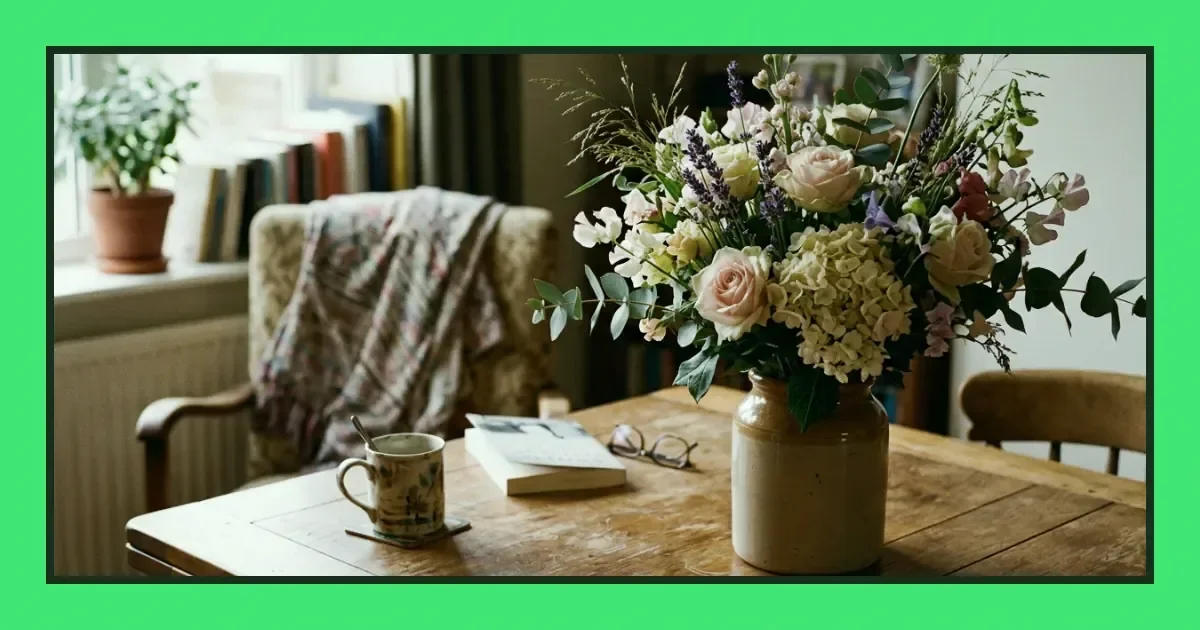
A naming ceremony celebrates a child's arrival in a way that suits the family, without religious frameworks. Flowers for this occasion reflect the feeling you want in the room – fresh, welcoming and calm. Harvest Moon Floral Art looks at how to choose flowers that fit the tone, work in the space and hold up through the event.
The tone of a naming ceremony
Naming ceremonies feel informal compared to christenings, but they still mark a milestone. Flowers should sit somewhere between a birthday party and a formal gathering. You want colour and life, but nothing so grand that it dominates the room or makes the event feel heavier than it is.
Soft palettes work well – whites, creams, pale pinks, soft yellows. These sit comfortably in most venues without clashing with the family's clothing or the space itself. Bright colours are not off-limits, but they shift the mood towards celebration rather than reflection. Choose what matches the feeling you want your guests to carry away.
Scale and placement
Most naming ceremonies happen in living rooms, community halls or small hired spaces. A handful of low arrangements on tables will do more than one tall centrepiece that blocks sightlines or makes conversation awkward. People need to see each other, and flowers should support that rather than interrupt it.
Place arrangements where they frame the room – on a welcome table near the entrance, at the refreshment area, beside the signing table if you have a naming certificate. Avoid putting anything directly in front of where the celebrant will stand or where parents will hold the child. Flowers are there to soften the space, not compete for attention.
Working with the venue's constraints
Hired spaces often have rules about what you can attach to walls or where you can place items. Check before you plan anything that needs fixing in place. Freestanding arrangements are simpler – you can move them if the layout changes and they leave no marks when you pack up.
Flower choices that suit the occasion
Roses, lisianthus and spray carnations give you softness and structure. They last well out of water if the ceremony runs longer than expected, and they look deliberate rather than casual. Avoid anything with heavy scent – cramped spaces amplify fragrance, and strong smells can be uncomfortable for guests or overwhelming for a young child.
Foliage matters as much as the blooms. Eucalyptus, pittosporum and salal add volume without extra cost, and they fill gaps in arrangements so you need fewer flowers overall. If you are arranging the flowers yourself, working in a low wide vase gives you a stable base that suits table placement.
Seasonal considerations
British-grown seasonal flowers keep costs down and ensure what you order is actually available. Spring offers tulips, narcissi and ranunculus; summer brings sweet peas, stocks and late roses; autumn gives dahlias, chrysanthemums and berried foliage; winter suits anemones, hellebores and evergreen branches. Ordering out of season usually means imported blooms, which cost more and arrive with fewer days of vase life left.
Arranging your own or ordering from a florist
If you are comfortable arranging flowers yourself, you will save money and have full control over the palette. Order stems a day before the event, condition them overnight and arrange them the morning of the ceremony. Keep designs simple – hand-tied posies in small vases or low bowls packed with short stems work without specialist skills.
When ordering from a florist, describe the venue, the number of guests and the mood you want rather than asking for specific flowers. A florist can suggest what will work in your budget and what is freshest that week. Ask how the arrangements will be delivered and whether you need to return containers afterwards. If you are working to a tight budget, having a clear conversation early helps the florist design something that fits rather than scaling down a more expensive plan later.
Practical steps for the day
- Place arrangements in their final spots an hour before guests arrive, so you can adjust anything that looks unbalanced or blocks movement.
- Top up water in any vase-based arrangements just before the ceremony starts – foam-free designs dry out faster than you expect in warm rooms.
- Ask someone to check flowers halfway through if the event runs longer than an hour – drooping stems can be trimmed and repositioned quickly.
- Keep a cloth nearby for spills, particularly if arrangements sit near where food or drinks are served.
What to avoid
Lilies stain clothing and furnishings if their pollen touches fabric, and removing stamens changes their shape. Pollen-heavy flowers in general are risky around young children who might touch or pull at arrangements. Delphiniums and foxgloves are toxic if ingested, which makes them poor choices for any event where a child is the focus.
Overly tall arrangements tip easily and block views. Anything over waist height needs a heavy base or a secure fixing, and both add work on the day. Flowers with thorns – roses included – need those thorns removed before arranging if the stems will be handled or if children are nearby. You can learn how to remove thorns safely with the right grip and a small knife.
Comparing arrangement styles
| Style | Best placement | Skill level |
|---|---|---|
| Hand-tied posy in vase | Tables, welcome area | Beginner |
| Low bowl arrangement | Signing table, buffet | Intermediate |
| Garland or swag | Mantelpiece, entrance | Intermediate |
| Tall pedestal | Large venue corners | Advanced |
Keeping costs manageable
Fewer arrangements with more impact costs less than scattering small designs across every surface. Focus on where guests will spend time – the entrance, the main seating area and the refreshment table. Filler flowers and foliage let you build volume without buying stems that cost several pounds each.
Reusing containers you already own – glass jars, ceramic bowls, shallow dishes – removes hire charges. Wrap them in hessian or ribbon if you want a more finished look. Avoid floral foam if you can; it is single-use and expensive. A pin frog or scrunched chicken wire in the base of a bowl holds stems in place and can be cleaned and reused for future events.
After the ceremony
Give arrangements to guests as they leave, or take them home and re-cut the stems for a few more days of life. Flowers that have been out of water for the ceremony will need a fresh cut and a deep drink. If they have started to wilt, emergency revival techniques can bring many blooms back if you act quickly.
Naming ceremonies mark a beginning, and flowers should feel like that – fresh, hopeful and unforced. Choose blooms that suit the space, the season and the mood you want, and keep arrangements practical enough that you can enjoy the day rather than worry about them.
#Seasonal flowers #Hand-tied bouquet #Centrepiece
Download PDF: Naming Ceremony Flower Checklist PDF, 29 KB
Frequently asked questions
What flowers are best for a humanist naming ceremony?
Soft-toned blooms such as roses, lisianthus and spray carnations work well, paired with foliage like eucalyptus or pittosporum. Avoid heavily scented flowers and anything with pollen that can stain, and choose seasonal British-grown stems where possible to keep costs down and vase life longer.
How many flower arrangements do you need for a naming day?
Focus on the entrance, main seating area and refreshment table rather than covering every surface. A handful of low arrangements will do more than many small designs, and they let guests see each other across the room without flowers blocking sightlines.
Can you use the same flowers for a naming ceremony as a christening?
The flowers themselves are often similar – gentle colours, soft shapes and practical scale. The difference is in tone: naming ceremonies tend to feel more informal, so arrangements can be simpler and less structured than those for a christening in a formal setting.